Exploring the Lahbab Red Dunes Tour: A Self-Drive Adventure in Dubai's Desert
I have spent the better part of a decade guiding and leading groups through the sands of the Arabian desert. Over that time, few places have left a mark on me quite like the Lahbab red dunes. They sit about forty-five minutes southeast of Dubai, a stretch of terrain that looks less like the postcard dunes of the tourist brochures and more like a landscape from another planet. The sand here has a deep, rusty hue, and the dunes rise and fall in sharp, sculpted ridges. It is beautiful, but it is also demanding. That combination is why I keep coming back, and why I think the Lahbab red dunes tour remains one of the best self-drive experiences you can book in the region.
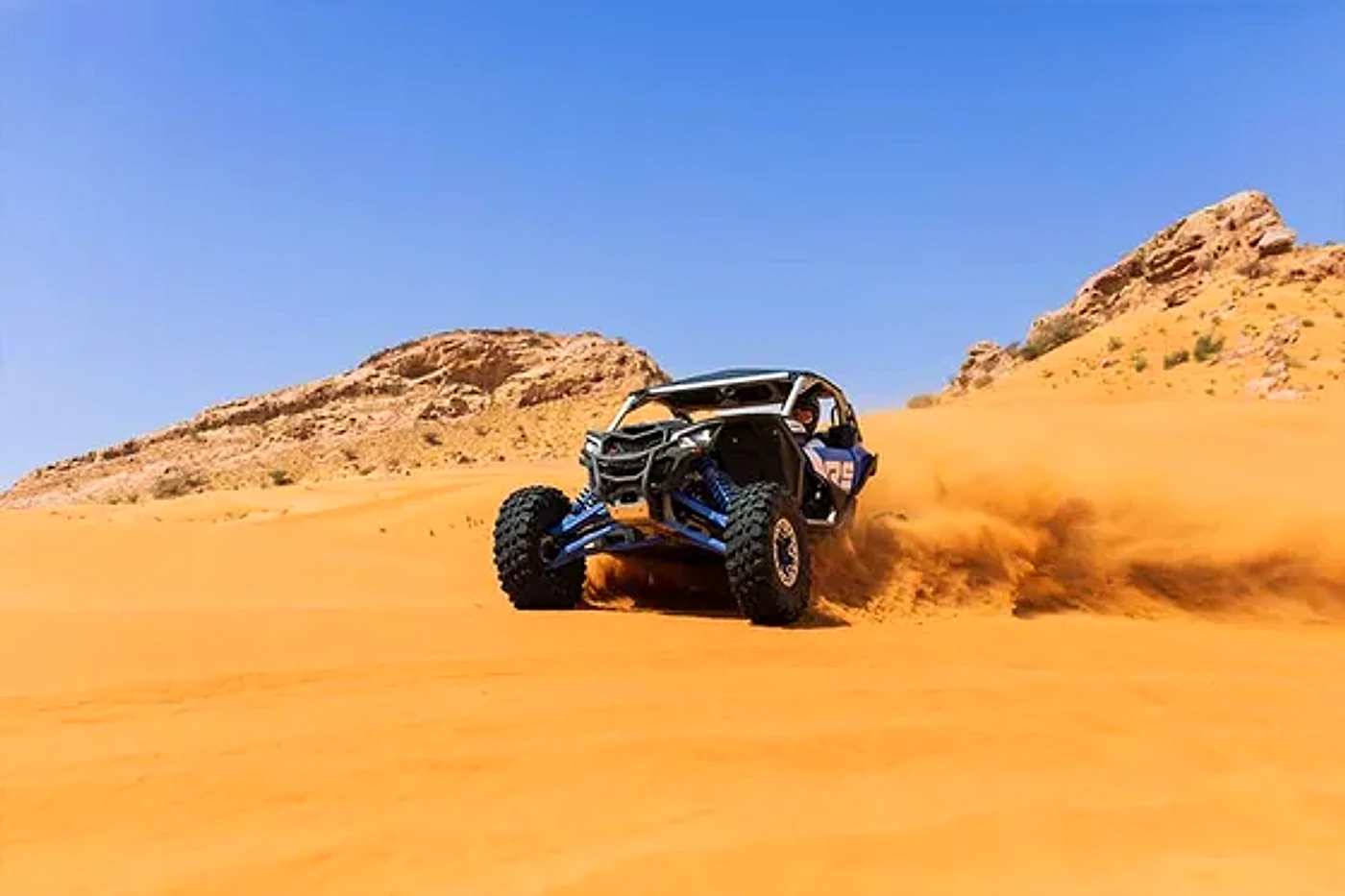
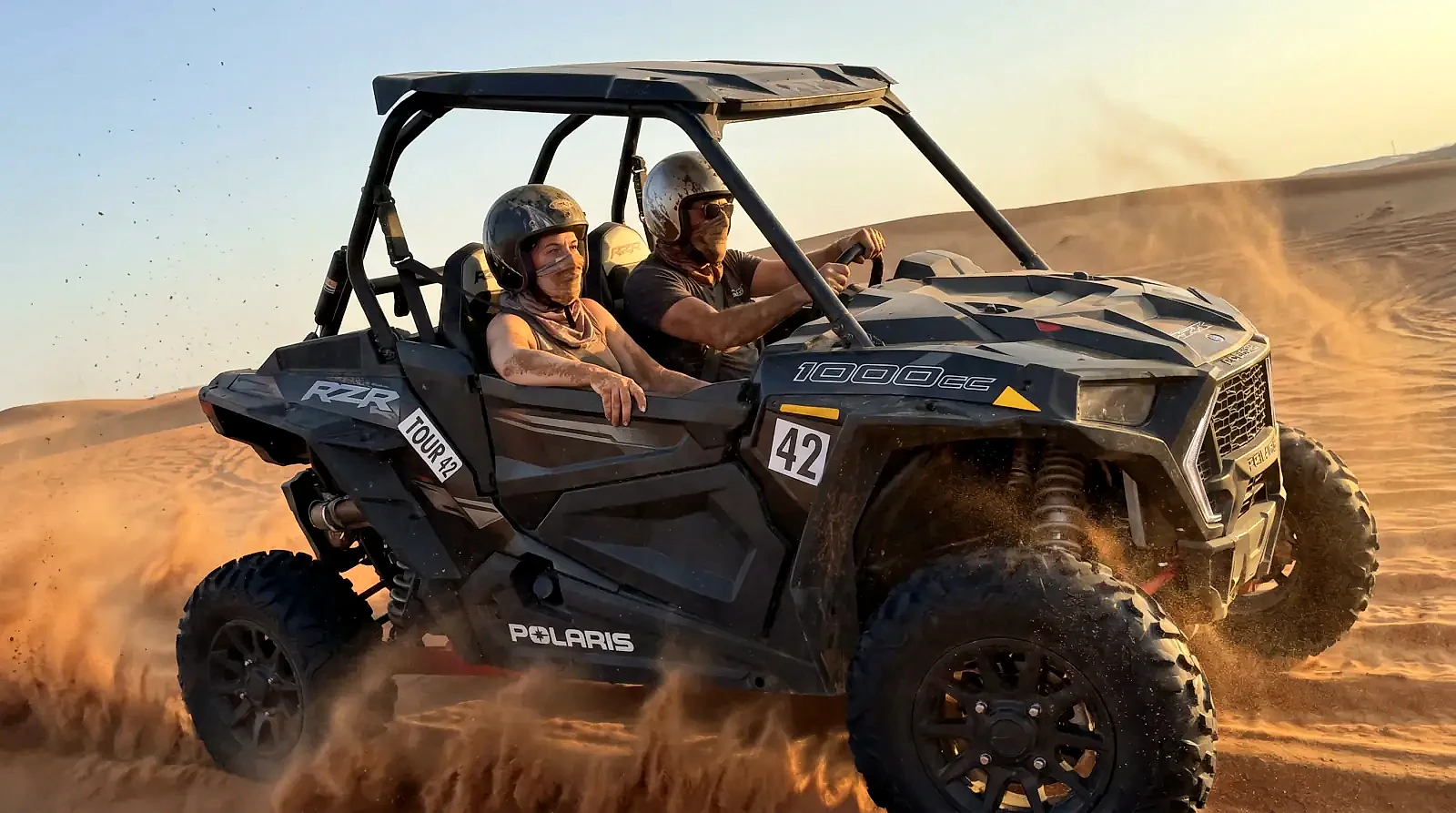
The first time I drove a dune buggy through that red sand, I remember thinking that the dunes looked almost too steep to climb. The buggy was a basic model, a two-seater with a roll cage, a steering wheel, and a throttle that responded to the slightest pressure. I was nervous. The sand was loose, the angles were severe, and I had no idea if the vehicle would hold. But it did. The dune buggy climbed like it had been built for that exact purpose, and the moment I crested the first ridge and saw the desert stretch out in waves of red and gold, I understood why people travel across the world for this.
That memory is what I think about whenever someone asks me whether a Lahbab red dunes tour is worth their time. It is not just about the thrill of speed. It is about the way the sand shifts under your wheels, the way you have to read the terrain, and the quiet that settles in when you stop the engine and listen. The red dunes are different from the beige sand you see closer to the city. They hold heat differently, they reflect the light differently, and they demand a different kind of attention from a driver.
Why Self-Drive Matters
I have been on guided tours where you sit in the back of a converted SUV while a driver handles the wheel. Those have their place, especially for families with young children or people who simply want the scenery without the work. But the self-drive adventure is a different experience altogether. You are the one steering. You choose your line up a dune. You feel the feedback through the pedals and the steering column. When you make a mistake and the buggy slides sideways, you correct it. When you get it right, you feel a quiet satisfaction that no backseat passenger can share.
Most companies that run these tours, including the outfit I have worked with for years, start with a safety briefing. It lasts about twenty minutes. They check your helmet, adjust your seat, and walk you through the controls. They also check that you have an off-road permit, which is required for driving in the Dubai desert conservation areas. It is a simple process, but it matters. The desert is not a theme park. The sand can hide soft patches, and a dune that looks solid from a distance might swallow a wheel if you hit it wrong. The briefing covers that kind of thing. It also covers what to do if you roll, which is rare but possible, and how to signal for help if you get stuck.
The Terrain: Lahbab Red Dunes
The Lahbab red dunes themselves are what make the tour memorable. The sand is fine and reddish-brown, stained by iron oxide over thousands of years. It compacts well enough to support a vehicle, but it shifts constantly. Driving on it requires a mix of momentum and restraint. Go too slow and you bog down. Go too fast and you lose control on the downslope. The ideal pace is somewhere in the middle, and you learn to find it after a few runs.
I have seen drivers treat the dunes like a racetrack, gunning the throttle and bouncing off the ridges. That is one way to do it, and it is fun for a while. But the people who really enjoy the experience are the ones who learn to read the dunes. They notice the wind patterns on the surface, they anticipate where the sand will be soft, and they choose their lines with care. That kind of attention turns a ride into a skill. It also makes the tour safer for everyone.
If you are considering a Lahbab red dunes tour, I recommend choosing a vehicle that suits your confidence level. A dune buggy offers more stability and rollover protection than an ATV, and it allows you to carry a passenger. Quad biking, on the other hand, gives you more freedom of movement and a more direct connection to the terrain. The ATV is lighter and more agile, but it requires more physical effort to control. Some operators also offer terrain vehicle rental options that include both types, so you can switch halfway through the day.
Beyond the Buggy: What Else the Desert Offers
A full day in the Lahbad area usually includes more than just driving. Many tours combine the self-drive portion with a stop at a desert camp for a barbecue dinner and traditional entertainment. I have sat through dozens of these dinners, and the quality varies. The best ones serve grilled lamb, fresh bread, and rice cooked in a large pot over an open fire. The worst ones serve buffet food that has been sitting under heat lamps for hours. I suggest asking the operator about the meal setup before you book. A good barbecue dinner makes the evening feel like a reward after a long day of driving.
Some tours also include a falconry display. I have a soft spot for this. The birds are trained, but seeing a falcon unfold its wings and cut across the dusk sky never gets old. The handlers usually let you hold the bird on a gloved arm, and they explain how falconry has been practiced in the region for centuries. It is a quiet contrast to the noise of the buggy engine, and it reminds you that the desert is not just a playground. It is a living place with a long history.
Sandboarding is another option. It sounds gimmicky, but it works surprisingly well on the Lahbab dunes. The sand is fine enough that a board slides cleanly, and the slopes are steep enough to give you a decent run. I am not a strong sandboarder, but I have seen people pick it up in a few tries. It is a good activity to mix in between driving sessions, especially if you need a break from the vibration of the buggy.
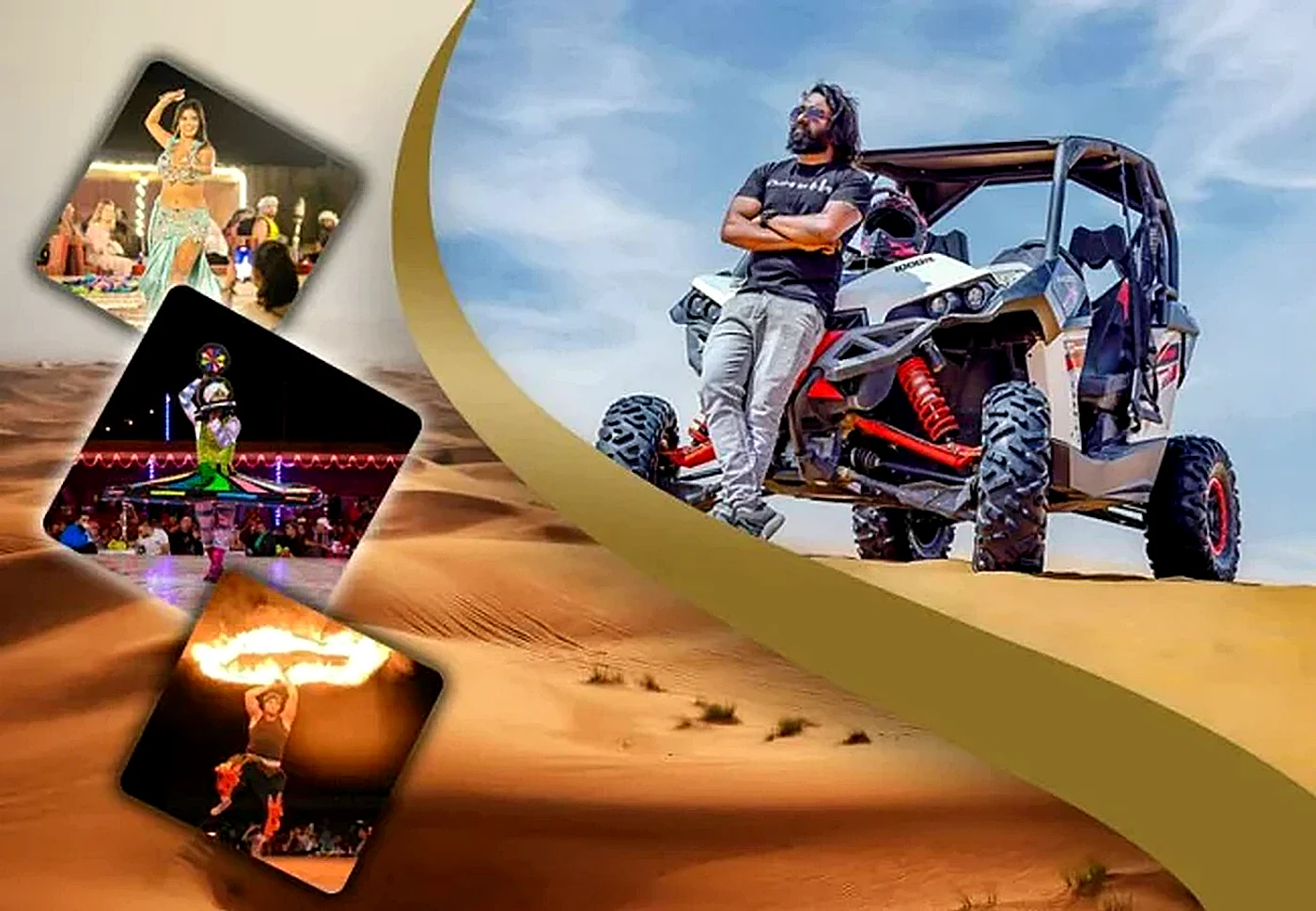
Camel trekking, too, is available at many camps. It is slow, it is steady, and it gives you a perspective that a vehicle cannot. From the back of a camel, you see the desert at walking pace. You notice the small plants, the insect trails, the way the light changes minute by minute. It is not for everyone, but I have seen hardened buggy drivers climb off a quad and walk straight to the camel line, curious to feel the difference.
Practical Considerations
Timing matters. I have done tours at midday, and I do not recommend it. The heat is intense, the sand reflects the sun upward, and the buggy cabin can feel like an oven. The best time is late afternoon, starting around three or four o'clock. That puts you on the dunes as the light softens, and it lines up with the Sunset Safari packages that many operators offer. The sunset over the Lahbab red dunes is worth the planning. The sand turns a deeper red, the shadows stretch long, and the whole landscape takes on a warmth that photographs never quite capture.
I also suggest going with a small group. Large convoys create dust clouds that reduce visibility and make the experience feel like a parade. A group of three to five vehicles is ideal. You can still help each other if someone gets stuck, but you are not eating each other's dust the whole time.
One thing that often surprises first-timers is how physical the driving is. A dune buggy does not have power steering. Turning the wheel on soft sand requires real arm strength, and your shoulders will feel it the next day. The same goes for quad biking. Your core and arms work constantly to keep the vehicle upright and on course. I tell people to stretch before they start and to take breaks every forty minutes or so. It makes the whole day more enjoyable.
Safety is not just about the briefing. It is about the choices you make during the drive. I have seen drivers take unnecessary risks because they wanted a better photo or because they were showing off. The desert does not care about your photo. It will punish a bad line with a rollover or a stuck vehicle. The best drivers are the ones who respect the terrain, who know when to back off, and who understand that getting home in one piece is the real victory.
A local guide named Rashed Al Shamsi once told me that the desert teaches you patience. He has been driving the Lahbab dunes for over twenty years, and he still finds new lines through the sand. He said that the desert changes every week. The wind moves the sand, the rain compacts it, and the tracks from last week are gone by the time you return. That is what makes a self-drive adventure here so different from a fixed course or a track. Every visit is a fresh negotiation with the land.
Final Thoughts
If you are planning a trip to Dubai and you want to see the desert in a way that feels active and personal, I think a Lahbab red dunes tour is a strong choice. It is not the cheapest activity in the city, but the value comes from the experience of driving yourself through terrain that demands your full attention. You do not need prior experience. You just need a willingness to learn, a respect for the environment, and a bit of energy. The desert will do the rest.